
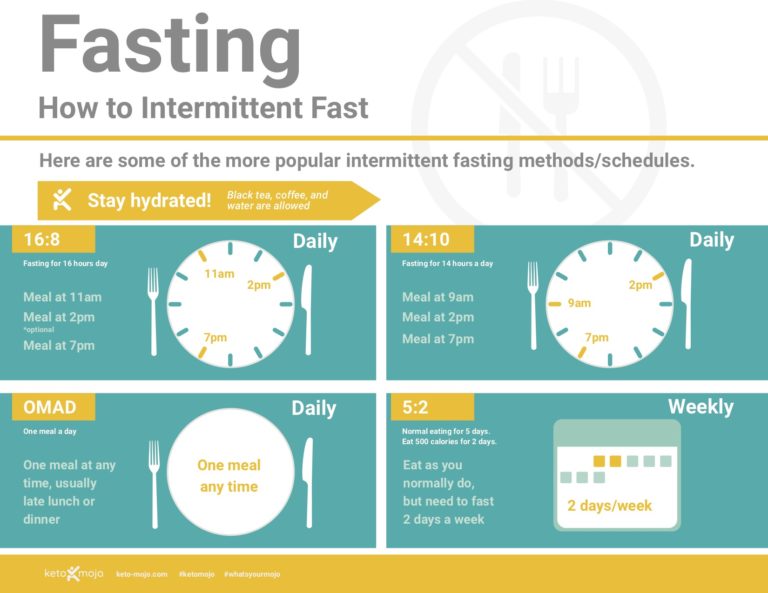
You might start by fasting for 14 hours and limiting your eating to a 10-hour window every day (say 8 am to 6 pm). It’s always good to speak with your doctor before embarking on a fasting regimen, particularly extended fasts. Additionally, fasting is not advised for people who are underweight or have a history of eating disorders.
The Potential Drawbacks of 20-Hour Fasting
When we eat, our bodies enter a fed state, where insulin levels are high and our bodies store energy as reviews on unimeal glycogen. However, during fasting periods, our bodies transition into a fasted state, where insulin levels decrease and we begin to break down stored energy sources (glycogen and fat) for fuel. When it comes to weight loss, there’s no shortage of diets and fasting regimens that claim to be the magic solution. Is this extended fasting period really the key to shedding those extra pounds and achieving a slimmer physique? In this article, we’ll delve into the world of 20-hour fasting and explore the science behind its potential benefits for weight loss. Daily intermittent fasting with a consistent eating window establishes a sustainable routine that delivers increasing benefits as the practice becomes habitual over time.
The best time to eat during a 20/4 fasting schedule will depend on individual preferences and lifestyle. However, a common approach is to have a four-hour eating window within the 20-hour fasting period. 20/4 fasting involves a 20-hour fasting period where you consume no calories, followed by a 4-hour eating window during which you eat your daily meals. The traditional 20/4 fasting diet involves a 20-hour period of underfeeding (small snacks or no food) and a 4-hour eating window. Some variations allow small amounts of low-calorie foods such as fruits, vegetables, and protein-rich foods during the fasting period.
How to Start 20:4 Intermittent Fasting
I encourage you to start experimenting so you can enjoy the myriad of benefits it can create. And if you want help creating the most effective and safest protocol for you and your health, click here to work with me. If you’ve been fasting for 24+ hours, you want to start with a small snack, wait 30 minutes, then take an assessment of how you feel to see if you’re still hungry. However, sometimes your body may not respond well to a particular fast. This can be the result of eating too many starches and carbs right before starting the fast, or it can be a consequence of increased stress or some other issue going on with your health. Fasting can trigger your old habits so if that’s your situation, it is important that you’re working with a therapist to make sure that this change doesn’t lead you down a bad path.
Personalized Metabolic Assessments
Track calories burned during activities and monitor your fitness goals. Medical writer and nutritionist empowering people to transform their health through the power of evidence-based content. Now that you know about the possible benefits, you might be wondering if a 20 4 fast is the right approach for you. To answer this question, let’s quickly compare it to the most common IF approach – 16/8. After three weeks, you can alternate between these phases based on your specific requirements.
Know All About What to Eat During Fasting!
This cycle is typically repeated 2-3 times a week, with the remaining days allowing for normal eating habits. One of the most popular methods of intermittent fasting where hours count is the 16/8 method. With this method, you fast for 16 hours each day and only eat during an 8-hour window.
Meal Analyzer
Eating nutrient-dense food, exercising, and getting enough sleep are still the most important factors to focus on. There is no need to follow a structured IF plan to derive at least some of the benefits. Experiment with the different approaches and find something that you enjoy and fits your schedule. However, keep in mind that some supplements, like fat-soluble vitamins, may work better when taken with meals containing a fat source. Many supplements can also cause an upset stomach when you take them without food. Here are answers to the most common questions about intermittent fasting.
What Is 20/4 Fasting?
“Some people thrive on this eating schedule, but others suffer. So, listen to your body.” If you ever get dehydrated, feel faint, or experience blood sugar instability, you should stop the fast. If you’ve never fasted before, it can be difficult to suddenly fast for 20 hours at a time. Work your way up to it slowly, by starting with 12-hour, 16-hour, and 18-hour fasts before you get to a 20-hour fast. You can increase your fasting window gradually every week or every other week. Here’s a starter guide to different types of fasts to help you find the best one for your needs.
- When you eat, the food you ingest usually provides more energy than your body can immediately use, so some of the energy from that food has to be stored.
- If you enjoy having dinner with family or going out for meals with friends, you may prefer an eating window that aligns with evening events.
- The 20-hour fast triggers significant metabolic changes in the body.
- It has been shown that limiting eating to a 4-hour window reduced energy intake by around 550 Kcal [4].
- During your fasts, stick to calorie-free drinks like tea without milk or sugar, black coffee, and water.
- It is also important to take your nutritional needs and lifestyle into account, as some individuals may require a higher caloric intake, or more spread out timing of meals.
Professional consultation ensures all nutritional requirements are met while supporting your intermittent fasting protocol. Also, studies indicate that fasting can reduce caloric intake by 20-30% without deliberate calorie counting. During the 20-hour fasting period, you can consume non-caloric beverages like water, black coffee, or plain tea, but no solid food, calories, added sugars, or sweeteners are allowed. Eating healthy and nutritious meals before a 24-hour fast supports your nutritional reserve during periods of caloric restriction. This lowers the risk of experiencing fasting side effects such as dizzy spells, light-headedness, low energy, and brain fog.
In the 16/8 method, you fast for 16 hours and eat during an 8-hour window daily. The 20/4 method includes fasting for 20 hours with a 4-hour eating window. The key difference is the fasting duration, impacting calorie intake and potential benefits. Moreover, balanced intake of macronutrients (carbs, proteins, fats) is necessary for maintaining energy levels and overall health during intermittent fasting. There’re many healthy food options that can be consumed during the eating window, ranging from light snacks like nuts to complete meals with proteins and vegetables.
A 20-hour fast may help reduce blood sugar levels, which reduces the risk of diabetes (8). Based on Guuthardt’s study, weight loss resulting from 20-hour fasting is actually caused by increased beta-oxidation or fat-burning. After some hours of fasting, our body starts to use its fat reserves to produce energy. When you first start an intermittent fasting schedule, yes, you’re going to be hungry. Your body is used to eating at regular intervals and changing that schedule can impact your hunger cues.
How much weight can you lose with 20/4 fasting?
In other words, it’s the process in which the cells clean themselves when they’re going through a stressful time or not getting enough nutrients (such as when fasting). While current studies regarding fasting and longevity are limited, some studies have shown promising results with fasting and living longer. According to studies, calorie restriction may help enhance longevity, both in animals and humans (1). Because of its restrictive nature, this fasting protocol may not be ideal for the long term. Shorter feeding windows are generally linked to poorer adherence rates3.
How long does it take to see results from intermittent fasting?
Eating a lot of high-calorie junk food during your fasting window or on non-fasting days may even cause you to gain weight. Cellular cleanup mechanisms remove metabolic waste, damaged proteins, and worn-out organelles through autophagy. This process functions like a nightly street sweeper for cells, clearing accumulated damage. In fact, efficient cellular housekeeping potentially helps prevent neurodegenerative diseases and reduces cancer risk through improved cellular integrity. A study published in the journal Cell Metabolism found that intermittent fasting improved insulin sensitivity, reducing the risk of type 2 diabetes by enhancing the body’s response to insulin.
The goal is to improve overall health and reduce the risk of chronic diseases. The 20-hour fast offers a wide range of benefits for both physical and mental health. From weight management and improved heart health to enhanced cognitive function and increased longevity, intermittent fasting can have a profound impact on overall well-being. If you are considering trying the 20-hour fast, it is essential to consult with a healthcare professional to ensure it is safe and suitable for your individual needs. With proper guidance and consistency, intermittent fasting can be a powerful tool for optimizing health and vitality.

How to Start the 20/4 Intermittent Fasting Plan
This can make you want to scarf down everything in sight after your fasting window ends. If you’re trying to continue building muscle while fasting, you have to exercise. During the fast, your muscles might feel a little deflated or look a little smaller, but this is due to water loss, and it will come back once you get more hydrated. So for most of us, we’re never going to get to a place where our body is going to start breaking down muscle tissue for energy. This is a magical tool — if you’re feeling really low-energy, a little shaky, or you’re not sure you can continue, as soon as that feeling starts, you need more salt. Fasting of 72+ hours is also shown to improve the body’s response to toxin exposure and stress hormones.
