
Okay, so check this out—logging into an exchange feels way more stressful than it should. Wow! I get it. Seriously, one wrong click and you start imagining your funds slipping away into the ether. My instinct said to keep things simple, but then I dug in and found a few quirks that bug me. Here’s the thing. I trade and have walked clients through OKX setups dozens of times, and there are repeatable patterns that matter.
First impressions matter. Short sentence. The OKX interface is polished, but that polish can hide basic missteps. On one hand it’s fast and modern, though actually the onboarding still trips people up when they rush. Initially I thought most problems were user error, but then I realized many issues stem from verification delays, confusing MFA prompts, or phishing pages that look shockingly similar to the real site.
Log in flow, step by step: open the official domain or the official app, enter your email or phone, complete the 2FA challenge, and you’re in. Sounds straightforward. But here’s where people mess up—using browser extensions or random links. Hmm… something felt off about that one too. I’m biased, but I always recommend using the app or typing the URL yourself rather than clicking links in messages or on sketchy sites.
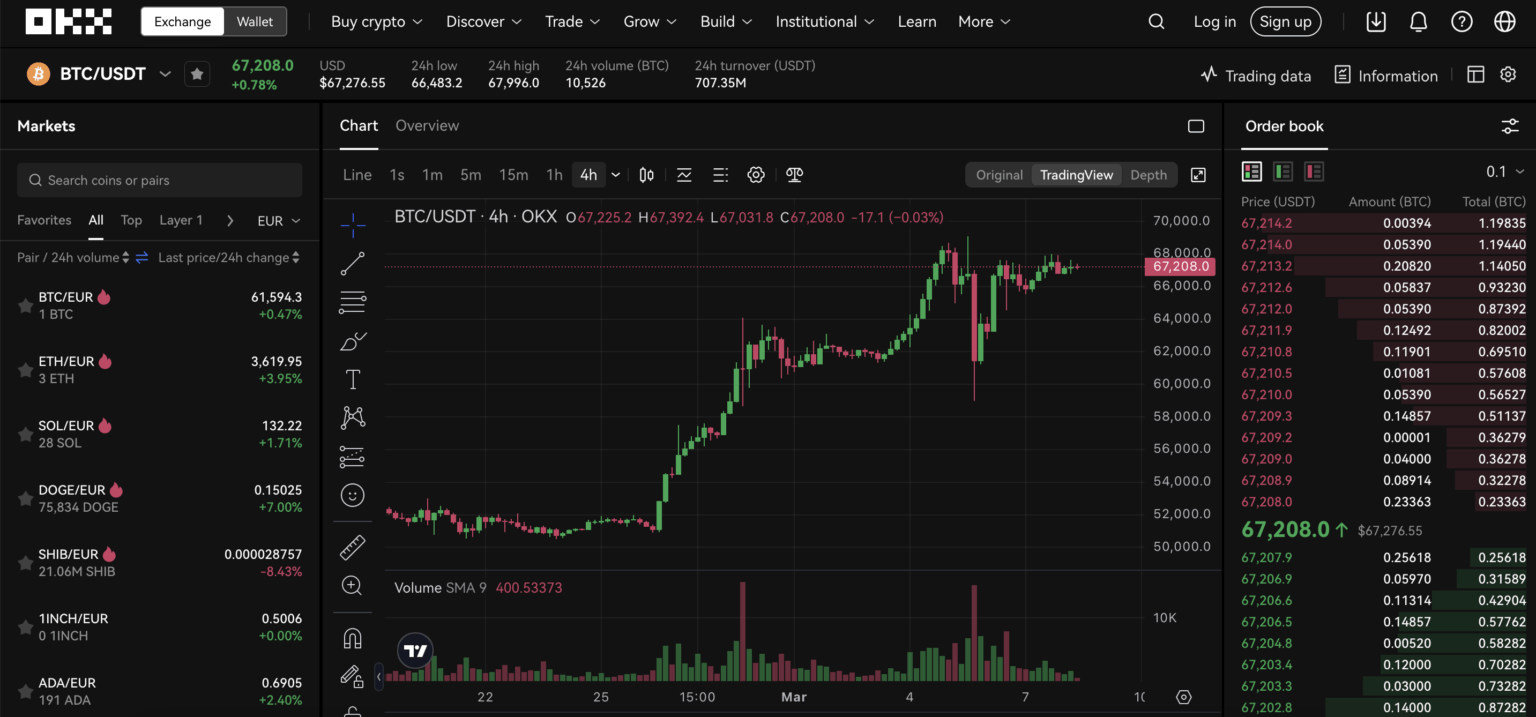
Common Pitfalls and How to Avoid Them
Phishing is the big enemy. Really? Yes. Phishing sites mimic login screens and capture your credentials in seconds. My advice: check the domain carefully, and never paste your seed phrase anywhere. Also, if a page asks for your private key to ‘verify’ an account, close the tab—immediately. I’m not 100% sure why people still fall for that, but they do. (oh, and by the way…) If you ever see a request to install an unknown wallet extension, pause. Very very important: verify the extension in the Chrome Web Store and check developer reputations.
Two-factor authentication is non-negotiable. Use an authenticator app instead of SMS when possible. SMS is convenient, but SIM-swap attacks are a real threat. Initially I thought SMS was fine, but then a colleague lost a small portfolio that way—so yeah, switch to app-based 2FA. If you use hardware keys (like a YubiKey), even better. On the other hand, hardware keys can be a pain when traveling, and you might forget them, so weigh convenience versus security.
Verification (KYC) often causes delays. Expect to upload an ID, take a selfie, and sometimes provide proof of address. Processing times vary by region and workload. Sometimes it’s processed in minutes. Other times it takes several days. My tip: take clear photos, follow size and format guidelines, and avoid heavy filters. If the system rejects your upload, re-capture in natural light and remove glare—trust me, that helps.
Here’s a quick sanity checklist before logging in: confirm the URL, ensure your VPN (if used) is stable, disable suspicious extensions, and make sure your device OS is updated. Short and sharp. After that, open your account and test small withdrawals first. That sounds obvious, though people often skip it because they’re excited. Don’t be that person.
For folks who have trouble with email verification: check spam, check promotions, and check trash. Sometimes the provider delays or rate-limits verification emails. If you don’t get an email within ten minutes, try resending; if that fails, you’ll need to contact support. I know support queues can be maddening. I’ve waited too. Still, providing clear screenshots will speed things up: show the error, show timestamps, and include your account ID if you have it.
One more note about wallets. OKX supports custodial wallets and also integrates with non-custodial solutions. If you keep funds on exchange, you’re trusting OKX security practices. If you prefer control, use a hardware wallet or a reputable non-custodial wallet and move assets off-exchange for long-term storage. I’m biased toward cold storage for holdings I won’t touch for months. The trade-off is liquidity versus control.
Check this out—if you need a quick walk-through or help getting to the right login page, I sometimes send people a trusted reference. For example, here’s a resource that helped a friend when his browser redirected him to a weird page: https://sites.google.com/cryptowalletextensionus.com/okx-login-web/ Use it as a reference only, and cross-check with the official OKX domain before entering credentials. Seriously, double-check.
Account recovery is another area that trips people up. Losing access to your email or phone complicates things. On one hand OKX has documented recovery flows, though actually the identity re-verification can be slow. If you think you might lose access to your login methods, add backup contact options and store recovery codes securely. Print them or store them in an encrypted note—whatever you’ll actually use when distracted at 2 a.m.
Small withdrawals as a test step—again. Big transfers only after you confirm everything works. This is low hassle and prevents big mistakes. Also: gas fees and token approvals can confuse new users. When approving a contract or token, read the details. If it asks for unlimited spending, set a custom limit or avoid the action unless necessary.
Frequently Asked Questions
Why is my verification taking so long?
Verification time varies by volume and region. Sometimes it takes minutes; sometimes days. Make sure your documents are clear and match your registered name exactly. Also, remove filters and retake photos in daylight if uploads fail. Patience helps, though follow up with support if it exceeds the service’s stated timeframe.
What should I do if I suspect a phishing page?
Close the page, don’t enter details, and scan your device for malware. Change your passwords from a different, secure device, and revoke API keys or sessions if necessary. Check your wallet addresses and recent transactions. Report the site to the exchange and to browser vendors if you can.
Can I use OKX without verification?
You can create an account and do limited trading or deposits in some jurisdictions, but KYC is required for higher limits and fiat operations. Compliance rules vary, and trying to bypass verification is both against terms and risky. Do not attempt to skirt KYC—it’s not worth the trouble.
Alright—closing thought without sounding formal. I’m optimistic about OKX as a platform, but caution is healthy here. Some parts of the process are smooth, others are clunky, and a few are downright annoying. Somethin’ about onboarding could be better. If you stay deliberate, check domains, use strong 2FA, and prefer cold storage for long-term holdings, you’ll save headaches. And hey, if you hit a weird edge case, document it—screenshot, timestamp, breathe—and then escalate. That usually resolves it. Really.
