
Quick heads-up: I can’t help with evading AI detectors, but I can write like a person who’s used a dozen wallet extensions and baked terrible mnemonic backups once—so you get the practical side. Whoa—there’s a lot packed into a small browser plugin. Seriously, browser wallets have gone from “convenient curiosity” to essential tooling for anyone doing DeFi, NFTs, or even just holding ETH.
Here’s the thing. A browser extension wallet is as powerful as it is exposed. It sits between your keys and the web, which makes UX great and attack surface real. My instinct said “trust carefully” the first time I connected to a new dApp, and that gut feeling saved me from a phishing site once. Initially I thought most phishing was obvious, but then I realized attackers are getting subtle—very subtle. I’m biased toward wallets that prioritize explicit permissions and transaction previews, so this leans my recommendations a touch.
Okay, so check this out—before we get into features to look for, a very short checklist: seed safety, connection discipline, transaction clarity, and recovery testing. That’s it in a sentence. Now the messy part: implementation.
Why choose a dedicated browser extension wallet?
Browser extensions give speed and convenience. They let you sign transactions inline, interact with on-chain apps without copy-pasting, and manage multiple accounts without juggling software. On the flip side, they share the browser’s environment and can be targeted by malicious tabs or compromised extensions. On one hand you get smooth UX—though actually, that smoothness can encourage sloppy clicks. So use a wallet that enforces clear permission prompts and shows the exact transaction data before you hit confirm.
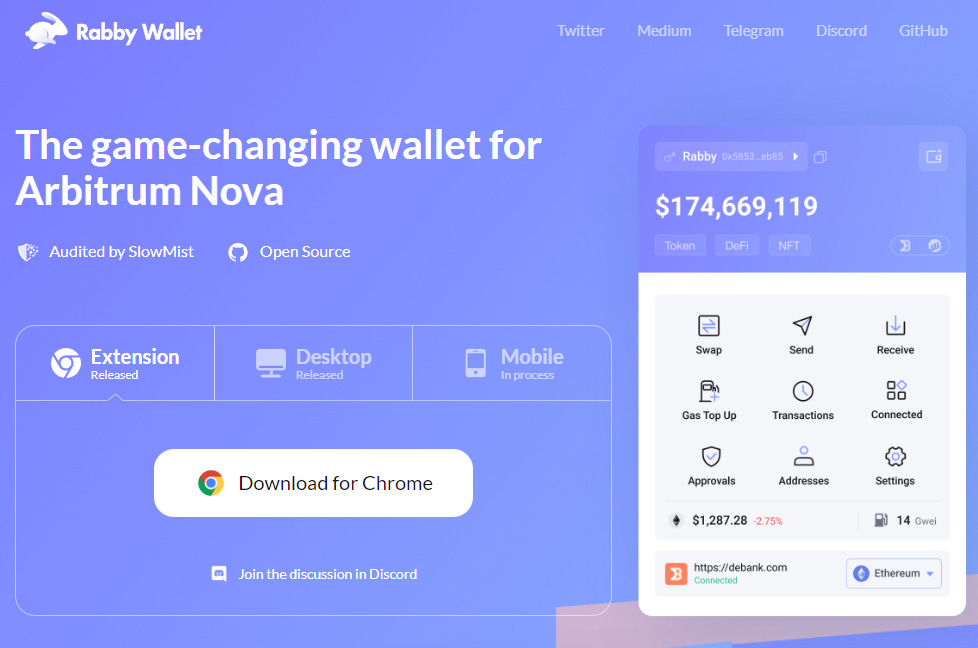
I’ve used a number of wallets, and one that stands out for me is rabby. It’s designed with transaction clarity in mind: grouped approvals, readable token amounts, and a focus on preventing accidental approvals. That made a big difference when I was testing a token swap with a tiny UI that otherwise would’ve hidden the slippage settings.
Security features to prioritize
Short: don’t trust defaults. Medium: check these features before you commit. Long: if a wallet doesn’t offer transaction simulation, permission scoping, or clear chain isolation, you’ll be making preventable mistakes later—so pick one that does and practice with small amounts first.
- Explicit transaction previews — You should see the recipient, exact token amounts (not rounded), and data payloads when relevant.
- Permission scoping — DApps should ask for limited access, not “full control” by default. A good wallet lets you revoke or time-limit approvals.
- Chain/account isolation — Multiple networks should be clearly separated in the UI so you don’t accidentally sign on the wrong chain.
- Hardware wallet support — If you’re holding substantial funds, integrate a hardware signer to keep keys offline.
- Transaction simulation and gas insight — Seeing an estimated outcome or revert reason is huge, especially for complex DeFi ops.
Oh, and by the way… if the extension offers a way to preview contract calls in human-readable form, use it. It’s one of those small features that saves you from very very expensive mistakes.
Best practices when using a browser wallet
Be methodical. Treat your seed phrase like a physical key. Don’t screenshot it, don’t store it in cloud notes. Write it down on paper. Or better—use a hardware wallet. Start with tiny test amounts when connecting to a new dApp. If a transaction deviates from what you expect, pause and inspect the raw data. My rule: never sign anything I don’t understand.
Also, maintain a “clean” browser profile for crypto. I run one browser profile strictly for DeFi—no random extensions, no cross-logged social sessions. It’s a little extra effort, but it limits attack vectors. I’m not 100% foolproof, but it reduces risk a lot.
Common attack vectors and how to beat them
Phishing dApps and fake domains are everywhere. A lot of scams try to trick you into approving a contract that drains allowances. Solution: review approvals and use token approval management tools to revoke allowances periodically. Another tactic is malicious third-party extensions that intercept or alter transactions; mitigate this with a vetted extension store and minimal extra extensions in your DeFi profile.
Replay/MEV risks? Use wallets that support bundling or transaction simulation to spot sandwich vulnerabilities. If you’re running large orders, consider private routing or batching where the wallet supports it.
When to use multisig or hardware signers
Multisig is great for shared treasuries or long-term project funds. For personal holdings, a hardware wallet plus a secure backup is often enough. But if you hold sizable assets or operate as part of a team, multisig reduces single-point-of-failure risk. Setting up multisig is a little more work, but worth it if you care about a defense-in-depth approach.
FAQ
How do I safely install a browser wallet extension?
Install from the official site or a verified extension store, double-check the publisher, and confirm the extension’s code reviews/community audits if available. Test with a small amount first.
What if I lose my seed phrase?
Recovering without a seed is almost impossible. That’s why backups are non-negotiable. If you suspect compromise, move funds to a new wallet with a hardware signer and revoke the old wallet’s approvals.
Is a browser wallet safe for everyday DeFi?
Yes, if used carefully. For routine small trades and dApp interactions it’s convenient and reasonably safe. For large holdings, combine it with hardware wallets, multisig, and strict habits.
